Approximately 13% of people over the age of 12[1] have hearing loss. Despite its prevalence, many people avoid seeking treatment for hearing loss. Often, that hesitation comes from outdated ideas about what hearing aids look like, how they work and who can benefit from them.
Let’s take a look at some common hearing aid myths so you can feel more confident about taking the next step in your treatment journey.
Myth #1: Everyone Will Notice My Hearing Aids
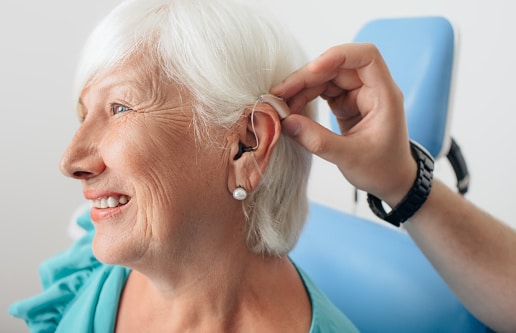
One of the most common misconceptions about hearing aids is that they are large, obvious devices. While hearing aids used to be more noticeable, today’s technology is sleek, discreet and designed with comfort and appearance in mind—we’re a long way from ear trumpets.
Hearing aids are also available in a variety of styles and colors. Your device specialist can help you find an option that complements your preferences while providing the level of amplification you need. After that, they’ll program your devices to fit your hearing profile.
Myth #2: Hearing Aids All Offer the Same Technology
Hearing aids may look similar at first glance, but the technology inside them can vary significantly. Different manufacturers offer different features designed to make listening more comfortable and convenient.
Depending on the model you choose, features may include:
- Bluetooth® connectivity
- Adaptable sound processing
- Wind noise reduction
- Feedback management
- Fall detection
Your hearing care professional will explain the features available in each device and help you determine which technology best fits your lifestyle. Once you’ve selected your hearing aids, we can program them to match your unique hearing profile for a personalized listening experience.
Myth #3: Mild Hearing Loss Isn’t Serious Enough for Hearing Aids
Mild hearing loss may not seem significant enough to warrant treatment, but even a small change in your hearing can affect everyday communication. You might find yourself asking people to repeat themselves, increasing the volume on the television or struggling to follow conversations in noisy environments like The Arvada Tavern on a Friday night.
Myth #4: Hearing Aids Can’t Help With Severe Hearing Loss
At the other end of the spectrum, some people believe hearing aids aren’t useful for those with profound hearing loss. While hearing aids can’t cure hearing loss, they can still provide valuable amplification and increase awareness of important sounds. For someone with profound hearing loss, being able to detect environmental sounds such as sirens, alarms or other warning signals provides an added layer of awareness.
If you’ve been thinking about hearing aids but haven’t made an appointment, now is a great time to call Advantage ENT & Audiology for a consultation with one of our specialists.
[1] National Institute on Deafness and Other Communication Disorders. (2024). Quick statistics about hearing, balance, & dizziness. National Institutes of Health. https://www.nidcd.nih.gov/health/statistics/quick-statistics-hearing