If you’re sitting in an Arvada park listening to music through your Bluetooth® headphones and you realize you have to turn the volume up way louder than usual, you might worry that your devices aren’t working well anymore. While that fear is natural, it’s crucial to remember that your hearing aids may only require a small adjustment to function well again.
Your Hearing Today May Be Different Than It Was Years Ago
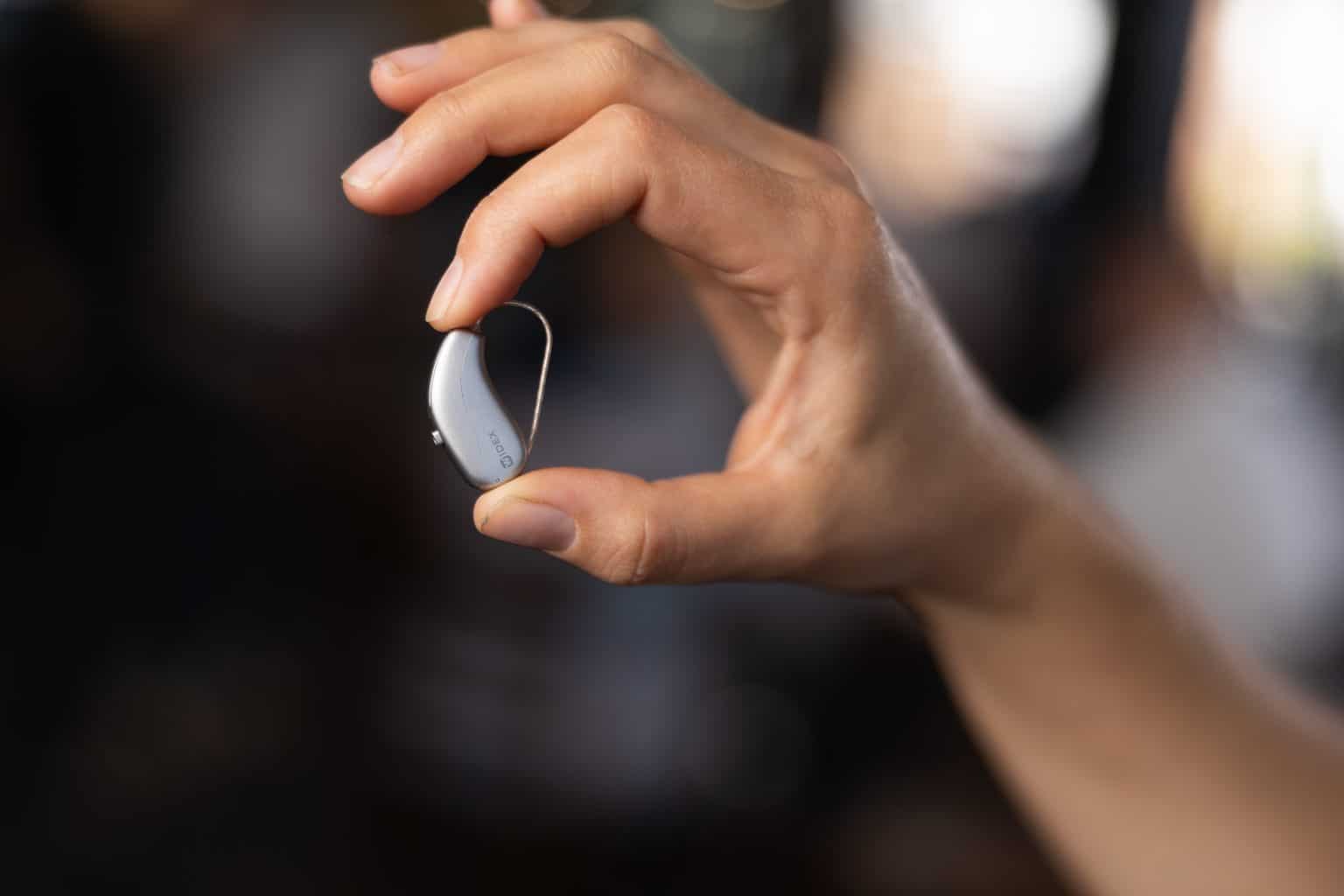
The settings programmed into your hearing aids were based on your hearing test at the time of your fitting. If your hearing has changed since then, from aging, noise exposure or other factors, those settings may no longer be right for your needs.
Signs this may be happening include:
- Difficulty understanding conversations
- Increased reliance on captions
- Turning up the television volume
- Trouble hearing in noisy environments
These symptoms don’t necessarily mean your hearing aids are outdated.
A Hearing Aid Checkup Can Make a Big Difference
Regular hearing aid follow-up visits are essential because they allow your provider to:
- Test your current hearing levels
- Inspect your devices for wear or damage
- Clean and maintain hearing aid components
- Update programming based on your hearing needs
Many patients leave these appointments hearing significantly better without purchasing new devices.
When Upgrading Makes Sense
Although adjustments are often effective, there are circumstances where replacement may provide greater benefits.
You may want to consider newer hearing aids if:
- Your current technology can no longer meet your amplification needs
- Repairs are becoming increasingly common
- You want modern features such as Bluetooth streaming or advanced speech processing
Often, the most effective solution is also the simplest one: making sure your hearing aids are properly adjusted for the hearing you have today. Our specialist will determine whether a simple adjustment is the answer to your new hearing difficulties or whether it’s time for new devices. Contact Advantage ENT & Audiology to schedule your appointment.
Sources
National Institute on Deafness and Other Communication Disorders. (2023, March 17). Age-related hearing loss (presbycusis). https://www.nidcd.nih.gov/health/age-related-hearing-loss
National Institute on Deafness and Other Communication Disorders. (2025, April 16). Noise-induced hearing loss (NIHL). https://www.nidcd.nih.gov/health/noise-induced-hearing-loss